Access Issues in Belgravia: Courtyards, Lifts, Narrow Roads
Belgravia looks elegant from the outside, but anyone who has tried to move furniture, stock, or household items through its courtyards, lifts, and narrow roads knows the reality can be a bit less graceful. Access Issues in Belgravia: Courtyards, Lifts, Narrow Roads are not a niche problem; they shape how quickly a move happens, what vehicle can actually get close enough, and whether a team can complete the job without delays or damage. If you are planning a home move, office move, or a simple furniture pick-up, getting access right is often the difference between a smooth day and a stressful one.
This guide breaks down what these access challenges mean in practice, why they matter, and how to plan around them properly. You will also find a checklist, a comparison table, and a realistic example drawn from the kind of situations people run into in central London. No fluff. Just the stuff that tends to matter on the day.
Expert summary: in Belgravia, the smartest move is usually not the biggest vehicle or the fastest timeline. It is the one planned around entry points, turning space, lift size, loading restrictions, and how much can be carried safely from vehicle to door. Simple enough in theory. A little fiddly in real life.
Table of Contents
- Why Access Issues in Belgravia: Courtyards, Lifts, Narrow Roads Matters
- How Access Issues in Belgravia: Courtyards, Lifts, Narrow Roads Works
- Key Benefits and Practical Advantages
- Who This Is For and When It Makes Sense
- Step-by-Step Guidance
- Expert Tips for Better Results
- Common Mistakes to Avoid
- Tools, Resources and Recommendations
- Law, Compliance, Standards, or Best Practice
- Options, Methods, or Comparison Table
- Case Study or Real-World Example
- Practical Checklist
- Conclusion
- Frequently Asked Questions
Why Access Issues in Belgravia: Courtyards, Lifts, Narrow Roads Matters
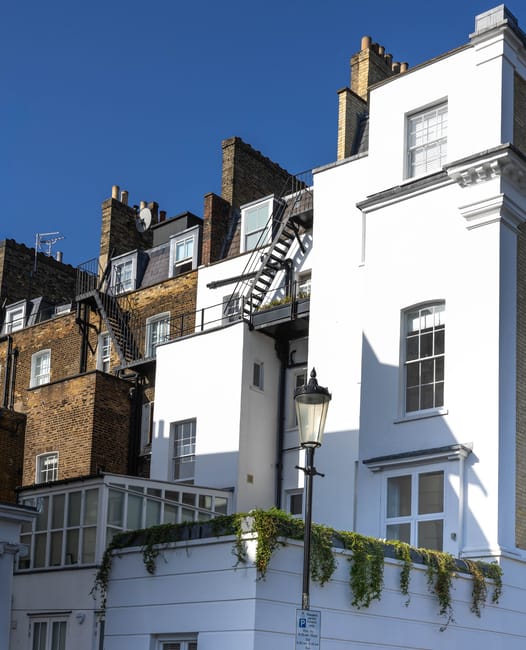
Belgravia has a very particular rhythm. Quiet streets, period buildings, mews-style layouts, private courtyards, basement flats, upper-floor apartments, and roads that can feel tighter than the map suggests. That is lovely when you are living there. Less lovely when you are trying to get a sofa through a staircase with a sharp turn, or a van near a property where the nearest sensible stopping point is still a decent walk away.
Access matters because it affects the whole chain of a move. If the vehicle cannot stop nearby, more carrying is needed. If the lift is small or slow, time stretches. If a courtyard has a gate, coded entry, or awkward width, the loading plan changes. And if the road is narrow enough that a larger truck would be a poor fit, you may need a smaller vehicle or a shuttle-style transfer. In practice, one access issue often triggers another. That is the bit people underestimate.
For residents, landlords, office managers, and anyone booking home moves, the issue is not just convenience. It is protecting floors, walls, doorframes, and your schedule. For businesses, the same applies with an extra layer of pressure: staff time, client confidence, and any disruption to trading. Belgravia is not the place to gamble on last-minute improvisation.
There is also a safety angle. Narrow stairs, heavy items, and tight turns are a bad mix if the plan is not right. A good access assessment helps reduce lifting strain, awkward manoeuvres, and that slightly panicked feeling when everyone is standing in the lobby trying to work out how the wardrobe is going to fit. Spoiler: sometimes it does not.
How Access Issues in Belgravia: Courtyards, Lifts, Narrow Roads Works
The simplest way to think about access is this: every part of the move has a journey. From room to lift, from lift to courtyard, from courtyard to vehicle, from vehicle to destination. Belgravia adds friction at almost every step, so the trick is to map the route before anyone starts carrying boxes.
Courtyards and internal access routes
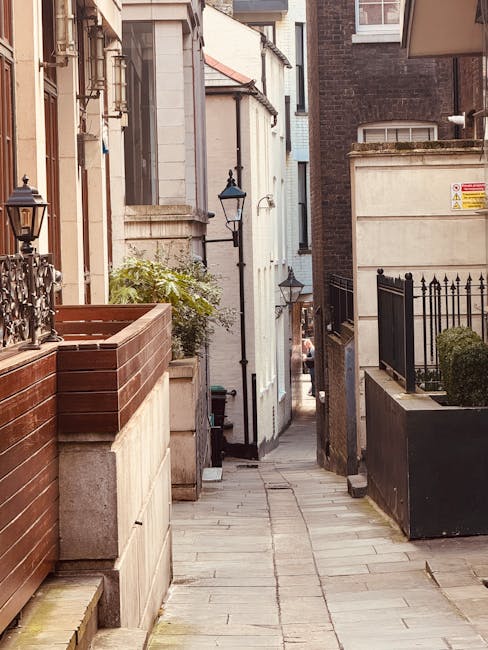
Courtyards can be brilliant for residents and terrible for logistics. They often mean secure entry, shared space, and limited vehicle access. A van may be able to approach only to a certain point, which means items must be carried further than expected. Sometimes the courtyard surface itself becomes part of the challenge: uneven paving, low arches, shared pedestrian zones, or a surface that is simply not ideal for trollies and heavy dollies.
In some properties, the courtyard is the only practical way in. In others, it is the nicest route but not the easiest one. A careful team will want to know the width of the gate, whether there are steps, whether the path turns sharply, and whether bins, bikes, planters, or building works will narrow the route further. Little things. They make a big difference.
Lifts and vertical movement
Lifts sound like the easy option until they are not. Many Belgravia buildings have compact lifts, shared lifts with restricted use, or lifts that stop a little short of where you need them to. Even when a lift is available, the internal dimensions matter. A wardrobe that is fine on paper may need to go up diagonally, or split down, or travel a different route altogether.
It is also worth checking whether the lift can be reserved, padded, or held open during your slot. Some buildings limit lift usage, especially during busy times. That can create delays if another resident is also moving, or if the lift is used for deliveries and general building traffic. The result is a slower, stop-start process that nobody really enjoys.
Narrow roads and vehicle choice
Belgravia's narrow roads can shape the type of vehicle you can use. A larger lorry may be ideal for volume, but useless if it cannot access the street safely or if it blocks traffic while manoeuvring. Sometimes a man and van approach is more practical, especially for smaller moves, access-sensitive properties, or locations where agility matters more than load size.
For larger jobs, a moving truck or removal truck hire may still be the right answer, but only if the route is workable. In many cases, the decision is not truck versus van in the abstract. It is vehicle size versus street reality. Very different thing.
How professionals usually plan the job
A good access plan usually includes a few basics: route width, parking possibility, lift dimensions, stair count, loading distance, property floor level, time restrictions, and any building rules. Then the team chooses the move method around those facts instead of guessing on the day. This is where careful planning saves both time and unnecessary lifting.
For office relocations, the same logic applies but with more moving parts. Desks, IT equipment, confidential files, and staff coordination all need to line up. If you are comparing support options, office relocation services can help structure the move so access constraints do not turn into a full-day bottleneck. And if the move includes boxed files, archive items, or equipment that needs wrapping, packing and unpacking services can reduce the chaos quite a bit.
Key Benefits and Practical Advantages
Handling access issues properly is not just about avoiding problems. It actually improves the whole move. People often think of access planning as a defensive task, but it has real upside.
- Less damage risk: better route planning means fewer knocks to walls, stair rails, lifts, and door frames.
- Faster loading and unloading: when the vehicle position is right, carry distance drops and the move becomes more efficient.
- Lower physical strain: fewer awkward lifts and less unnecessary carrying help protect the team and your belongings.
- Better cost control: delays, extra labour, and repeat trips are much less likely when access is clear from the start.
- Less stress on move day: honestly, that alone is worth a lot. The day feels calmer when everyone knows the plan.
- More suitable vehicle selection: the right sized van or truck can make a huge difference in tight London streets.
There is also a subtle benefit people do not always mention: confidence. When the access is understood, the whole operation feels more controlled. You are less likely to be making panicked phone calls from the pavement while a wardrobe blocks the lobby and someone is asking where the key fob went. Not ideal.
For homeowners, this can mean a less disruptive move into or out of a flat. For business customers, it can mean a more professional handover with less disruption to staff or neighbours. For both, the practical result is the same: fewer surprises.
Who This Is For and When It Makes Sense
This topic matters to anyone moving within Belgravia or into the area, but some situations are especially sensitive to access issues.
Homeowners and tenants
If you live in a flat above ground level, a basement apartment, or a property accessed through a shared courtyard, you will probably need extra planning. The more compact the access, the more likely it is that furniture needs disassembly or careful handling. For many household moves, the safest route is to work with experienced house removalists who are used to tight city access and can adapt quickly if conditions change.
Landlords and managing agents
For property managers, access planning helps protect communal areas and keeps neighbours happy. Timing, lift protection, and route discipline matter. When a building has a courtyard or shared entrance, the move should be planned around everyone else who uses the space, not just the mover. That sounds obvious, but in practice it often gets overlooked.
Businesses and office teams
Office relocations bring their own headaches: equipment, people, deadlines, and limited tolerance for disruption. If a narrow road prevents close parking, even a modest office move can take longer than expected. In those situations, a mixed plan using commercial removals support and careful packaging can be the difference between a tidy transition and a messy one. If you are moving stock, files, or office furniture, commercial moves may be a better fit than trying to force a one-size-fits-all approach.
People moving single items or bulky furniture
Access issues are not just for full house moves. A single sofa, a wardrobe, or a piano-like bulky item can still be awkward in a Belgravia courtyard or staircase. If you just need one or two items collected or dropped off, furniture pick-up can be a practical choice when the access is awkward and the load is manageable. Truth be told, that is often the smarter way to avoid overcommitting.
Step-by-Step Guidance
Here is a practical way to handle access planning without overcomplicating it.
- Start with a route walk-through. Check the entrance, courtyard, stairwell, lift, and street parking. Look for anything that could block the move, even temporarily.
- Measure the awkward bits. Lift doors, corridor width, stair turns, and entrance height all matter. If something looks tight, assume it probably is.
- Confirm vehicle access. Decide whether a van, truck, or smaller shuttle arrangement makes the most sense. Do not guess based on volume alone.
- Check building rules early. Some buildings require booking a lift, protecting communal areas, or keeping to fixed move times.
- Break the load down. If a sofa or wardrobe is borderline, plan whether it needs to be dismantled, wrapped, or moved in stages.
- Share all access details upfront. The more accurate the information, the better the crew can prepare. And yes, that includes awkward things like a tight gate or a basement step you forgot to mention.
- Build in time for delays. Even with good planning, central London can surprise you. A lift may be in use, the road may be busier than expected, or a neighbour may need temporary access.
- Confirm the parking and unloading point. Know exactly where the vehicle can stop, even if it is not right outside the door.
If you are arranging a larger vehicle, it may help to compare options before booking. A van that is too small means extra trips. A truck that is too large can create access problems straight away. Somewhere in the middle is often right, but only if the street and building can actually support it.
For many households, a man with van arrangement is enough for a controlled, quicker move where the access is tight. For bigger properties or more substantial loads, a more formal moving setup may be better. There is no magic answer. Just the one that fits the building.
Expert Tips for Better Results
After enough moves in tight London streets, a few habits stand out.
First, never assume a lift means easy access. A small lift can be slower than stairs if it constantly needs resetting or cannot take the item in one piece. It happens more often than people think.
Second, treat courtyards like shared working space. Keep them clear. If the route narrows because of bins, bicycles, or planters, the move becomes more awkward and more likely to cause friction with neighbours.
Third, choose the smallest suitable vehicle, not the biggest one you can hire. Big does not always mean efficient. On narrow roads, a vehicle that can stop cleanly and unload without drama is usually worth more than extra unused capacity.
Fourth, protect the building as if you lived there. Floor runners, blankets, corner protection, and careful lifting all help. It is not glamorous, but it is what keeps everyone happy.
Fifth, plan for people flow as well as item flow. In a cramped building, movers, residents, and porters can get in each other's way quickly. A clear order of work helps a lot.
A small but useful tip: if you know the route has one particularly tight corner, move the hardest item first while everyone is fresh. By 3pm, nobody is enjoying that same staircase quite as much.
And if the move is happening on a wet London morning, give yourself more margin. Damp pavement, heavier coats, and impatient traffic make everything feel tighter. It is one of those tiny details you only notice when you are standing there.
Common Mistakes to Avoid
Most access problems are avoidable. The common mistakes are familiar, and a bit boring, which is probably why they keep happening.
- Underestimating the courtyard route: people focus on the front door and forget the gate, path width, or internal turning space.
- Not checking lift dimensions: a lift can be present but still unsuitable for larger items.
- Assuming parking will be easy: in Belgravia, parking close to the entrance is often the challenge, not the exception.
- Leaving route information until the last minute: the crew cannot prepare for what it does not know.
- Choosing the wrong vehicle size: too small means extra trips; too large may not be workable at all.
- Forgetting shared-building restrictions: lift bookings, resident notices, and access windows matter more than people expect.
- Ignoring bulky-item realities: a wardrobe, bed base, or desk can turn into the day's biggest obstacle if it has not been measured properly.
One of the more frustrating mistakes is assuming the problem will "sort itself out on the day." Sometimes it does, in a way. Usually by creating stress. Better to avoid that little adventure.
Tools, Resources and Recommendations
You do not need fancy tools to handle access planning well, but a few practical things help.
- Measuring tape: basic, but essential for doors, lifts, and stair turns.
- Phone camera: useful for sending photos of the courtyard, entrance, and any awkward corners to the team before move day.
- Simple floor plan or sketch: even a rough drawing helps show where items need to go.
- Notes app or checklist: good for recording access restrictions, codes, and building contact details.
- Protective covers and padding: sensible for lifts, bannisters, floors, and corners.
- Disassembly tools: helpful if furniture needs to be broken down to fit through a lift or stairwell.
If you are arranging a larger relocation, it can also help to think about the wider move structure. Some people start with packing support, then add transport, then decide whether they need labour for loading and unloading. If that sounds familiar, a service such as packing and unpacking services may reduce the number of moving parts you have to coordinate yourself.
For larger loads where access is challenging but the route is still workable, a dedicated vehicle may be the right answer. In those cases, it is worth considering the practical difference between a compact van, a larger truck, or a hire arrangement that matches the street and building layout. The right choice is rarely the fanciest one. It is the one that fits.
Law, Compliance, Standards, or Best Practice
Access planning in Belgravia usually sits within normal UK moving best practice rather than a single dramatic rulebook. That said, there are a few sensible standards people generally follow.
First, movers should work safely and avoid unnecessary risk to people and property. That means handling heavy items carefully, not blocking emergency access, and using proper lifting methods. For building access, it is also normal to respect leasehold rules, concierge instructions, lift bookings, and communal-area protection requirements where they apply.
Second, parking and loading should be arranged responsibly. In central London, that often means checking what is realistically possible rather than assuming a van can simply stop outside. If a road is narrow or the frontage is busy, the plan should reflect that. Nobody wants a move to end with a dispute about obstruction or an upset neighbour, which is, frankly, avoidable with decent planning.
Third, good practice means clear communication. Clients should disclose access constraints honestly, and the moving team should explain any limitations or concerns before the day. If a lift is too small, a courtyard gate is too tight, or the road is unsuitable for the planned vehicle, that needs to be known early. Surprises are expensive. Not always in money, sometimes in time and patience.
For commercial customers, keeping the move tidy and organised also supports business continuity. Offices often need extra care around IT equipment, records, and shared spaces, so planning and sequencing matter. If your move is business-related, it is worth reviewing about us information to understand the kind of service approach being offered, and if you need to clarify a booking detail, the safest next step is always contact us directly.
Options, Methods, or Comparison Table
Different access situations call for different approaches. Here is a practical comparison.
| Method | Best for | Strengths | Limitations |
|---|---|---|---|
| Man and van | Smaller moves, tight courtyards, short carry distances | Flexible, nimble, often easier on narrow roads | Lower capacity, may need multiple trips for larger loads |
| Man with van | Single-item moves, partial loads, access-sensitive homes | Good for quick, practical jobs with limited space | May not suit very large or complex relocations |
| Moving truck | Larger households or mixed loads where road access allows it | Higher capacity, fewer trips, efficient when workable | Can be difficult in narrow streets or restricted courtyards |
| Removal truck hire | Jobs needing a dedicated vehicle and structured planning | Useful where volume is high and timing is organised | Only sensible if access and parking are properly checked first |
| House removalists | Full property moves with furniture, boxes, and stair access | Good all-round support for complex residential moves | May still require careful coordination in buildings with limited access |
There is no single winner for every Belgravia move. The best choice depends on the building, the road, the lift, and how much you are moving. If you force the wrong method into the wrong site, it will let you know pretty quickly.
Case Study or Real-World Example
Here is a realistic example. A couple in a first-floor flat near a courtyard entrance needed to move a mixture of furniture and boxed household items. At first glance, the job looked straightforward. The volume was moderate, the destination was local, and the lift was available. Easy, right?
Not quite. The courtyard gate was narrower than expected, the lift could not comfortably take the largest wardrobe upright, and the street offered only a limited stopping position for the vehicle. On paper, it was one move. In practice, it needed a more careful plan.
The team split the load into smaller sections, protected the communal route, and adjusted the order of loading so the biggest item was dealt with while the crew still had room to work. The wardrobe was dismantled, wrapped, and carried in stages. Smaller boxes were loaded first to make the best use of the vehicle space. The result was a slower start than anyone wanted, but the move stayed controlled and there was no damage. That is usually the win in Belgravia: not speed at all costs, but a clean result with fewer headaches.
A similar pattern applies to office work. A small business moving archive boxes and desks from a building with limited roadside access may find that the smartest move is a phased one. Heavy items and IT equipment first, light items later, with a vehicle sized to the access rather than the wish list. It sounds almost too simple. Yet it works.
Practical Checklist
Use this checklist before move day. It saves embarrassment, which is always welcome.
- Confirm the exact entrance and exit route.
- Measure courtyard gates, lifts, stair turns, and any tight hallway sections.
- Check whether the lift can be booked, held, or protected.
- Find out whether the road allows practical stopping or unloading.
- Identify any steps, low arches, or awkward corners.
- Ask whether furniture needs dismantling before collection.
- Share building rules, move times, and access codes in advance.
- Decide whether a van, truck, or more compact vehicle makes sense.
- Protect floors, walls, and lift interiors where needed.
- Keep a backup plan in case another vehicle, resident, or delivery temporarily blocks the route.
Quick takeaway: if you only do one thing, do the route check. It is the single most useful step, and it costs nothing but attention.
Conclusion
Access Issues in Belgravia: Courtyards, Lifts, Narrow Roads are not unusual, and they are not impossible to manage. They just need to be treated as the main event rather than a minor detail. When you plan for tight courtyards, compact lifts, and narrow roads from the start, the move becomes calmer, safer, and more efficient.
The real trick is matching the job to the building, not forcing the building to fit the job. Once you do that, everything gets easier: the load, the timing, the vehicle choice, and everyone's mood on the day. Funny how that works.
Get a free quote today and see how much you can save.
And if you are still mapping out the move, take your time with the access details. That small bit of care now can make the whole day feel a lot lighter.
Frequently Asked Questions
What are the main access issues in Belgravia?
The main issues are courtyard entry points, compact or shared lifts, tight stairwells, limited stopping space, and narrow roads that restrict larger vehicle access. In many buildings, more than one of these applies at once.
Why do courtyards make moves harder?
Courtyards can add secure gates, awkward turns, steps, shared pedestrian areas, and longer carry distances from vehicle to entrance. They are often beautiful spaces, but they can be logistically awkward.
Are lifts always better than stairs for removals?
Not always. A lift helps if it is large enough, available, and easy to use. A small or busy lift can slow things down, and some items may still need to be carried another way.
What vehicle is best for narrow roads in Belgravia?
That depends on the exact access. A smaller van is often easier to place and unload in tight streets, while a larger truck may be more efficient only if the road and stopping space allow it.
How far in advance should I check access details?
As early as possible. Ideally, check before booking the move. That gives you time to measure, ask building questions, and choose the right vehicle or service style.
Can I move furniture through a courtyard if the gate is small?
Sometimes yes, but it depends on the item size and the turn angles. Large pieces may need to be dismantled or carried in a different way to avoid damage.
What should I measure before move day?
Measure door widths, lift dimensions, stair turns, corridor widths, courtyard gates, and the distance from parking to entrance. Those measurements are usually the ones that matter most.
Is a man and van suitable for Belgravia access problems?
Often, yes. For smaller moves or tighter streets, a man and van setup can be a flexible option. It is not right for every job, but it can be very practical.
What if the building has rules about move times or lift use?
Then those rules should be followed and built into the plan. Shared buildings in London often have access windows, lift bookings, or protection requirements for communal areas.
How do I avoid delays on moving day?
Give full access information upfront, confirm parking and lift arrangements, keep routes clear, and choose the vehicle size carefully. The less guesswork, the fewer delays.
Should I dismantle furniture before a move?
If the item is large or the access is tight, dismantling is often a sensible idea. It reduces the chance of damage and makes awkward turns much easier to manage.
Who should I contact if I need help planning the move?
If you want to talk through access, vehicle choice, or service options, start with contact us. A quick conversation can reveal issues that are much easier to fix before moving day than during it.