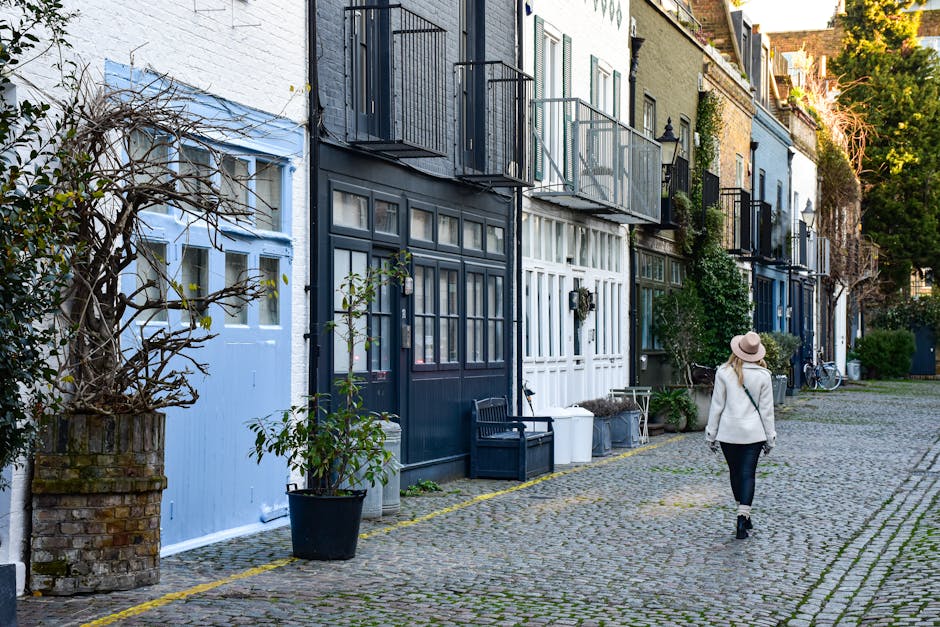
Belgravia removals for Ebury Street mews homes with tight access
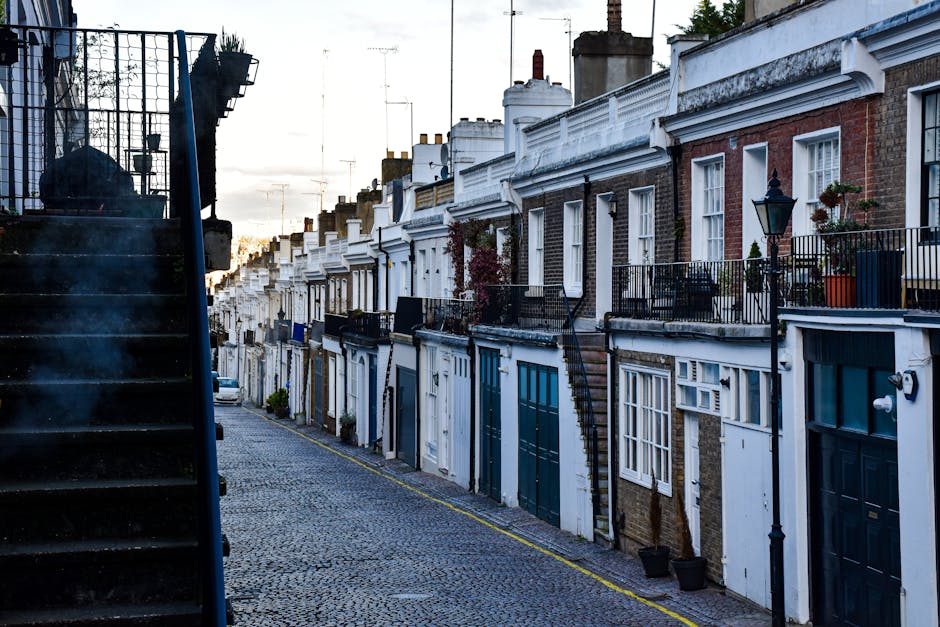
Moving in Belgravia is one thing. Moving into or out of an Ebury Street mews home with tight access is another altogether. Narrow lanes, parked cars, awkward turning space, low-hanging branches, basement steps, and the occasional need to carry a sofa at a strange angle through a doorway the width of your shoulder... yes, it can get fiddly very quickly.
That is exactly why Belgravia removals for Ebury Street mews homes with tight access need a different kind of thinking. Not just a van and a couple of hands, but proper planning, careful loading, route checks, and a moving team that understands how London mews properties work in real life. In this guide, you will get a clear picture of how it all works, what to watch out for, and how to make the whole process calmer, safer, and a lot less stressful.
If you are comparing options for a house move, a small flat relocation, or a furniture move into a mews property, this article will help you decide what matters most before moving day arrives. And honestly, that bit of preparation saves more headaches than people expect.
Why Belgravia removals for Ebury Street mews homes with tight access Matters
Ebury Street mews homes are often charming, compact, and just a little awkward in the way only central London properties can be. They may look straightforward from the outside, but the practical reality is usually very different. Access can be tight enough that a standard high-street removals approach simply does not fit the property or the street.
That matters because the biggest moving risks are rarely the big, dramatic ones. It is usually the small things: a van that cannot park close enough, a careless turn with a wardrobe, a rushed carry down steps, or a team that underestimates how long it takes to protect floors and negotiate a narrow passage. A mews move rewards patience. Rushing it is where the trouble starts.
For Belgravia homes, this is especially important because the properties often combine old-style layouts, valuable furniture, and neighbours who quite reasonably expect minimal disruption. Add a tight entrance, a shared courtyard, or limited loading space, and the margin for error gets small. Very small.
In practice, a successful mews move is less about brute force and more about judgement. Which items should be dismantled? Can the van be staged nearby or must a shuttle approach be used? Is the piano really going through the main door, or should another route be used? These are not minor details. They decide whether your move feels controlled or chaotic.
If you want a broader moving service overview for homes, the main home moves page is a useful place to understand the general service structure, while house removalists is helpful if you are comparing full-service support rather than just transport. For smaller, flexible moves, many people also look at man and van or man with van options, especially where the load is modest and access is still awkward.
Expert summary: Tight-access removals are won in the planning stage. The move itself should feel almost boring, because all the difficult decisions were handled before the van arrived.
How Belgravia removals for Ebury Street mews homes with tight access Works
A good mews removal begins long before moving day. The process normally starts with an access assessment, either from photos, a site visit, or a very detailed conversation about the street, entrances, parking, staircase width, and any awkward obstacles. This is where experience counts. A property can look manageable online and then, on arrival, reveal a basement turn that is just a bit too sharp for the larger items.
From there, the mover plans the vehicle size, crew size, and loading sequence. In a tight-access setting, a smaller vehicle is often more practical than a large truck. That does not mean less professionalism. In fact, it often means the opposite. The right van can save time, avoid blocking the street, and reduce the risk of damage.
Items are then prepared for the route they will actually take. That may involve dismantling furniture, removing doors temporarily, adding extra wrapping to corners, or using protective runners inside the property. Good packing matters here too. If you need extra help with fragile items, packing and unpacking services can make a huge difference, especially when glass, mirrors, artwork, or high-value finishes are involved.
On moving day, the team usually works in a controlled sequence. Access points are protected first. Heavy or awkward items come out last if they need to, not first because they are annoying. The van is loaded strategically so the first items out at the destination are easiest to reach. That sounds obvious, but in the rush of a move, it is very easy to get this wrong. And then everyone is digging for the kettle at 6 p.m., which is never ideal.
When access is especially tight, a moving truck may not be the best fit, although there are situations where a larger vehicle still works if parking and loading are properly controlled. If you are weighing that up, the moving truck and removal truck hire pages are helpful for understanding what those options are designed to do.
What a well-run tight-access move usually includes
- Advance access planning and route checking
- Protective materials for floors, bannisters, door frames, and corners
- Suitable vehicle selection for the street and property layout
- Careful handling of furniture that cannot simply be carried flat
- Clear timing so neighbours and loading restrictions are respected
- Communication between the crew and the person coordinating the move
Key Benefits and Practical Advantages
The most obvious benefit of using a moving service that understands Belgravia mews access is peace of mind. But there are several more practical gains as well, and they matter just as much.
First, a better-planned move reduces damage risk. Tight hallways and narrow courtyards leave less room for mistakes. A crew that knows how to angle a wardrobe, protect a marble table top, or move a sofa without scraping the wall is worth its weight in tea. Second, the move tends to be faster overall because the team is not improvising at every corner.
There is also less disruption to the street. In places like Ebury Street, that is a real benefit. Neighbours, pedestrians, delivery drivers, and parked vehicles all make the environment busy. A smaller, well-timed operation creates less friction, which is good for everyone involved.
Another advantage is better control over cost. This can be a bit counterintuitive, because some people assume a larger vehicle or bigger team is always cheaper. Not necessarily. If the wrong vehicle cannot access the property, time gets wasted. If items need rehandling, labour goes up. If a move becomes more complex on the day, the budget can drift. Planning properly often keeps the total spend more predictable.
For those who only need a few pieces moved, perhaps from a mews home into storage or after a refurbishment, smaller-scale services can be a smart fit. In that scenario, furniture pick up may be the more practical choice than a full house move, particularly if you are moving one sofa, some bedroom furniture, or a dining set.
There is also a comfort factor people underestimate. A tidy, measured move feels different. You walk into the new property, and instead of seeing a pile of blankets and bubble wrap, you see a team working methodically. That calm matters, especially if you are moving after a long tenancy, a renovation, or a compressed handover deadline.
Who This Is For and When It Makes Sense
This kind of service is not just for large homes. In fact, some of the trickiest Belgravia removals involve relatively small loads because the access is so constrained. A compact mews house with three floors and a narrow stair may be more demanding than a bigger property with easier frontage.
It makes sense if you are:
- Moving into or out of an Ebury Street mews house with narrow access
- Relocating from a basement, lower-ground, or upper-floor property
- Handling antiques, delicate furniture, or custom-built pieces
- Trying to avoid disruption on a street with limited stopping space
- Working to a fixed handover date or tenancy deadline
- Moving a smaller household and want a flexible, efficient service
It is also a strong option if you are combining moving with storage, decluttering, or partial clearance. For example, if only some furniture is going straight to the new address while other items are being stored or collected separately, having an organised move plan saves a lot of back-and-forth.
Commercial readers might also find it useful if they are moving a private office from a residence or rehoming stock and equipment from a live-work property. In those cases, commercial moves and office relocation services may be more relevant than a standard home move. Not every move fits neatly into one box, and that is fine.
Step-by-Step Guidance
Let's walk through the process in a way that is actually useful. Not theory. The real thing.
1. Assess the access properly
Start by checking the street, entrance width, any steps, railings, courtyard turns, and where a van could reasonably stop. If you are unsure, take photos from the approach route, not just the front door. A property can look fine from one angle and then become awkward ten metres later. It happens all the time.
2. Identify the awkward items early
Large wardrobes, dining tables, beds, mirrors, and anything fragile should be flagged before the move is booked. This helps decide whether dismantling is needed. It also helps the crew bring the right tools and protective materials.
3. Choose the right vehicle and crew size
A tight-access mews move usually benefits from a smaller, more agile vehicle and a crew sized for careful handling rather than pure volume. A bigger truck is not automatically better if it cannot position safely. The right fit matters more than the biggest fit.
4. Prepare the property
Clear floors, remove small items, protect delicate surfaces, and make sure shared hallways or courtyards are accessible. If you can, reserve the lift time or stair access if the property has shared arrangements. Simple, but important.
5. Pack by room and by sequence
Good packing is about more than boxes. Label items clearly, group essentials separately, and keep anything you need on arrival easy to find. If you are not packing yourself, packing and unpacking services can save time and reduce breakage, especially where the access route is awkward.
6. Load with the destination in mind
It is tempting to load by weight alone, but in a mews move you should also think about unloading order. The first items needed at the new property should be easy to reach. That little detail can turn a long evening into a smooth one.
7. Confirm arrival and final placement
Before the van leaves, confirm where key furniture should go. In homes with tight access, you do not want to shift a heavy sofa twice because the final room plan changed after delivery. Trust me, nobody enjoys moving the same chest of drawers up two narrow flights.
Expert Tips for Better Results
There are a few habits that make a disproportionate difference in tight-access removals. They are not glamorous, but they work.
- Measure the difficult points, not just the obvious ones. Doorways, stair turns, bannister protrusions, and low ceilings matter more than the overall room size.
- Photograph the route in daylight. Evening shadows can hide awkward steps, kerbs, or surface changes. A quick morning look can save trouble later.
- Ask about dismantling before moving day. A bed frame that comes apart cleanly is a gift. A wardrobe that does not may become a problem very fast.
- Keep the street clear if you can. Even when parking space is limited, a small amount of planning around cars, bins, and deliveries helps the crew stay efficient.
- Use proper protection indoors. Floor runners, blankets, and corner guards are cheap compared with the cost of repairs.
- Leave a clear essentials box. Tea, charger, kettle, toiletries, keys. The boring box is the one you will miss most if it is buried.
One more thing: communicate clearly about anything that is slightly unusual. A hidden step, a fragile chandelier, a very heavy sideboard, the dog who hates strangers at the door. All normal. All useful to know. The more the crew knows, the smoother it goes.
And yes, sometimes the answer is simply to split the move into two parts. That is not failure. It is sensible planning.
Common Mistakes to Avoid
Most moving problems in tight-access homes come from assumptions. The street looks manageable, so no extra planning is done. The sofa looked fine in the old house, so it must fit the new one. The van seems close enough, so the rest will sort itself out. Sometimes it does. Often, it does not.
- Booking without checking access details. Even one missing turn or step can change the vehicle choice.
- Underestimating the packing time. Packing always takes longer than people think. Always.
- Failing to measure large furniture. Especially for mews homes where entrances can be more restrictive than expected.
- Ignoring parking and loading constraints. In central London, this is not a small detail.
- Leaving dismantling until the last minute. If something needs to come apart, it should be decided early.
- Not protecting surfaces. Repairs to paintwork, flooring, and bannisters can be avoided with simple precautions.
It is also worth avoiding one very human mistake: trying to force a move to behave like a normal suburban house relocation. Belgravia does not really work like that. The streets are different, the access is different, and the homes often demand a more careful touch. There is no shame in adapting the plan. That is the job.
Tools, Resources and Recommendations
You do not need a warehouse full of specialist kit to complete a successful mews move, but the right tools help. The basics are often enough when used well.
Useful moving tools and materials
- Sturdy boxes in mixed sizes
- Removal blankets and padded wraps
- Furniture straps
- Corner protectors
- Floor protection runners
- Labels and a permanent marker
- Basic dismantling tools for beds and flat-pack furniture
- Wardrobe cartons for hanging clothes, if needed
For larger items and awkward lifts, the right vehicle matters too. If the access is especially restricted, a flexible service such as man and van can be a practical solution. If the load is heavier or the move is part of a bigger property relocation, then moving truck or removal truck hire may be more suitable.
If you are still at the comparison stage, it can help to think in terms of the job rather than the label. Do you need full household moving support, just a few items shifted, or a vehicle with crew for loading and unloading? That simple question usually points you toward the right service.
For a broader view of the business and service approach, you may also want to read about us. And when you are ready to move things forward, the most direct next step is contact us.
Law, Compliance, Standards and Best Practice
With removals in central London, compliance is mostly about sensible operating practice rather than complicated legal theory. That said, the basics still matter. Parking, loading, pedestrian safety, property protection, and access timing should all be handled responsibly. In built-up streets like Ebury Street, a careless move can create friction very quickly.
Good practice usually means checking local parking restrictions, avoiding obstruction, keeping walkways as clear as possible, and taking care around neighbours and shared access areas. If a property has a managed building or shared court, there may also be house rules on moving times, lift use, or temporary access arrangements. These are not glamorous details, but they do matter.
For the contents of the move, careful packing and handling are part of professional best practice. That means using appropriate materials, not overfilling boxes, protecting glass and artwork, and making sure heavy items are handled by enough people. If something is especially fragile or valuable, it should be treated that way. Sounds obvious, yet it is where rushed moves often go wrong.
You should also keep your own records in order. Inventory notes, photos of existing damage, and a clear list of items being moved can prevent confusion later. This is particularly helpful where furniture is being split between a new home, storage, or a second delivery.
To be fair, not every move needs a mountain of paperwork. But a little structure goes a long way. Especially in central London, where the day can turn busy before breakfast.
Options, Methods, and Comparison Table
Choosing the right removal method for a tight-access mews home depends on volume, access, timing, and the type of furniture involved. The table below gives a simple practical comparison.
| Option | Best for | Strengths | Limitations |
|---|---|---|---|
| Man and van | Smaller loads, flexible access, short local moves | Agile, practical, often easier on tight streets | May be less suited to larger household volumes |
| House removalists | Full home moves with more furniture and coordination | More structured support, suitable for bigger jobs | Can be more than needed for a light move |
| Moving truck | Moderate to large moves where loading space is available | Good capacity, efficient for larger inventories | Can be awkward on narrow mews access |
| Removal truck hire | Moves needing a vehicle focused solution | Flexible for organised self-managed moves | Still requires planning, lifting, and coordination |
In real life, the best choice is often the one that fits the street, not just the one that looks biggest on paper. A smaller vehicle with the right crew can outperform a larger one if the access is the limiting factor. That is the part people sometimes miss.
Case Study or Real-World Example
Here is a realistic scenario. A couple moves out of a mews house near Ebury Street after a refurbishment. The property has a narrow front approach, a sharp stair turn, and one awkwardly large wardrobe that looked fine in the old bedroom but now seems determined to become a permanent resident of the stairwell.
Instead of treating the move as a standard full-house relocation, the team checks measurements in advance, separates the wardrobe for dismantling, protects the flooring before anything is carried through, and uses a smaller vehicle that can stop close enough without blocking the whole street. The move is split so essentials arrive first, while less urgent items are loaded in a second pass.
What makes it work is not speed. It is sequencing. The couple gets into the new place, the kettle appears quickly, the fragile items arrive intact, and the wardrobe is reassembled without drama. Nothing magical. Just competent planning and a crew that understands tight access. Which, frankly, is what you want.
Practical Checklist
Use this checklist before moving day if you want the process to feel more controlled and less like a scramble.
- Measure the entrance, stair turns, and any narrow external access points
- Take photos of the route and problem areas
- Confirm whether parking or loading space is available
- List all bulky, fragile, or valuable items
- Decide what needs dismantling in advance
- Label boxes by room and priority
- Protect floors, bannisters, and door frames
- Keep essentials separate and easy to reach
- Check building rules or neighbour arrangements if relevant
- Confirm arrival time, access contact, and final delivery order
If you can tick most of those off before the van arrives, the day tends to run much better. Not perfect, maybe. But much better.
Conclusion
Belgravia removals for Ebury Street mews homes with tight access are all about precision, patience, and practical judgement. The property type is beautiful, but it asks for a smarter moving plan than a typical house on a wider road. Once you understand the access, choose the right vehicle, and prepare the furniture and route carefully, the whole move becomes much more manageable.
The real goal is not just getting everything from A to B. It is doing it without stress, without damage, and without the feeling that the day has taken over your life. That is very achievable when the access is respected from the start.
Get a free quote today and see how much you can save.
And if you are still weighing up the best route, take your time. A considered move in Belgravia is usually a better move, and a calmer one too.
Frequently Asked Questions
What makes Ebury Street mews homes difficult to move in or out of?
The main challenge is access. Mews streets can be narrow, parking can be tight, and internal layouts often include stairs, turns, or compact doorways. That means planning matters more than usual.
Do I need a smaller vehicle for a tight-access Belgravia move?
Often, yes. A smaller, more agile vehicle can be easier to position near the property and may reduce disruption. The right choice depends on your items, the street, and the available stopping space.
Can a standard removal truck work for a mews house?
Sometimes it can, but only if the access and parking situation support it. In many tight-access moves, a large vehicle is less efficient than a smaller one with careful loading.
Should furniture be dismantled before moving day?
If large items are likely to be awkward through the route, dismantling is usually the safer choice. Beds, wardrobes, and some tables are often easier to move in parts.
How early should I book a move for a Belgravia mews property?
As early as you can. Tight-access moves need more planning than standard moves, and extra time gives you a better chance of securing the right team, vehicle, and timing.
What should I measure before getting a quote?
Measure doorways, stair widths, stair turns, and any external gaps or courtyard access points. If you can, also note where a van could reasonably stop.
Is packing help worth it for a mews move?
Usually, yes, if you have fragile, valuable, or difficult-to-pack items. Good packing reduces damage risk and can make loading and unloading faster.
What if my furniture does not fit through the front door?
That is exactly why pre-move assessment matters. The team may suggest dismantling, alternative carrying angles, or a different route. Sometimes that saves the whole day.
Can I combine moving and storage if access is limited?
Yes. That is a common solution when not everything needs to arrive at once. Splitting the move can make the access challenge much easier to handle.
How do I reduce the risk of damage in a tight-access move?
Use proper protection, keep the route clear, dismantle large items where needed, and make sure the crew knows about every awkward point in advance. Prevention is much easier than repair.
What kind of move is a man and van service best for?
It is often best for smaller loads, flexible local moves, and properties where access is restricted. It can be a very practical choice for mews homes if the volume is modest.
Where can I learn more about the company before booking?
You can read more on the about us page, or move straight to contact us if you want to discuss your situation directly.