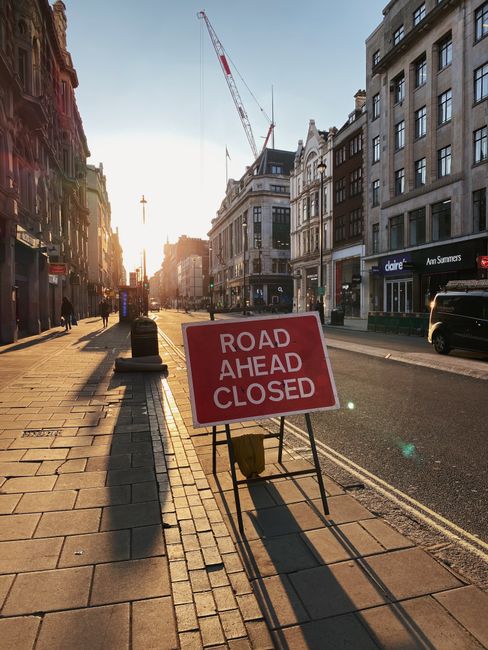
Westminster Council Street Closures for Belgravia Moves: a Practical Guide for a Smoother Relocation
Planning a move in Belgravia is rarely just about boxes, tape, and a van. If Westminster Council street closures affect your route, loading bay, or access point, the whole day can change shape very quickly. A road that looks simple on paper may be restricted by timing, resident access, event traffic, or temporary works. That is exactly why understanding Westminster Council Street Closures for Belgravia Moves matters before moving day arrives.
In this guide, you will find a plain-English explanation of how street closures can affect a Belgravia relocation, what to check before booking, how to reduce delays, and which moving options make life easier when access is tight. If you are moving a flat off a quiet mews, shifting an office near a busier route, or trying to park a vehicle in a narrow central London street, this is the kind of detail that saves stress. Truth be told, a little planning goes a long way here.
Expert summary: street closures in Westminster do not just affect traffic; they affect timing, vehicle positioning, carrying distances, and whether a move can run to schedule. The best results usually come from checking access early, choosing the right vehicle size, and building a realistic loading plan before the day itself.
Why Westminster Council Street Closures for Belgravia Moves Matters
Belgravia is one of those areas where access can look easy until the day you actually need it. Streets may be narrow, parking can be limited, and nearby works can change how vehicles enter or leave the area. Add a council-managed closure into the mix, and suddenly a straightforward move starts to feel like a puzzle with one missing piece.
Street closures matter because removals depend on timing and positioning. If a road is closed at the wrong hour, your moving truck may have to stop further away, meaning more carrying, more labour, and more time. That may not sound dramatic, but on a wet London morning with a lift that is booked in for another job, it really can be the difference between a calm move and a slightly chaotic one.
For homeowners, tenants, landlords, and businesses, closures can affect:
- where the vehicle can stop
- how close movers can get to the property
- whether you need a smaller vehicle or shuttle arrangement
- how long loading and unloading will take
- whether furniture can be moved in a single trip
It is also worth remembering that closures do not always mean a full road shut-down. Sometimes they are partial, timed, or linked to permits, utility works, or events. So the question is not simply "is the road closed?" It is "how will this closure affect my move in real life?"
If you are organising a home move, you may want to pair access planning with a service like home moves support or house removalists if your property has difficult stair access or heavy items. For business moves, the same access issues often make office relocation services or commercial moves much more practical than trying to handle everything ad hoc.
How Westminster Council Street Closures for Belgravia Moves Works
At a basic level, the process comes down to checking what is happening on the street, when it is happening, and how it affects your moving vehicle. In Westminster, access restrictions may come from planned road works, temporary traffic management, event-related closures, or local parking rules. The important bit is not the label on the restriction; it is how the restriction changes your move plan.
In practice, a good moving plan usually starts with the property itself. Is it on a one-way street? Is there room for a van to pause safely? Can a larger vehicle turn, reverse, or unload without blocking the road? If the answer to any of those is "not really", then street closures become even more important, because they remove the few remaining access options.
Here is the kind of workflow that tends to make sense:
- Check the move date and likely vehicle access window.
- Confirm whether the street is open, partially closed, or subject to waiting restrictions.
- Decide if a van, moving truck, or smaller man-and-van setup is best.
- Plan loading so that the most important items are moved first.
- Allow spare time for walking distance, lift delays, or re-routing.
If access is uncertain, smaller vehicles can sometimes be more flexible. A man and van or man with van service may be easier to position close to the property than a larger lorry, especially in a compact Belgravia side street. For heavier loads, though, you may need a moving truck or removal truck hire, and that choice should be made with access in mind from the start.
A small but useful point: if your building has a porter, concierge, estate manager, or loading policy, tell them early. They often know the local quirks better than anyone. A five-minute conversation can save a forty-minute headache. Sometimes more, to be fair.
Key Benefits and Practical Advantages
Thinking ahead about street closures is not just about avoiding inconvenience. It can make the move more efficient, safer, and cheaper in the ways that matter most: time, labour, and reduced risk of damage.
- Fewer delays: when the access route is known, the team can start on time and keep momentum.
- Better vehicle choice: the right van or truck for the street saves repeated shuttling.
- Cleaner loading plan: fewer surprises mean fewer boxes left waiting on pavements or in hallways.
- Lower stress for residents and neighbours: a controlled move is less disruptive.
- Safer handling: less rushing usually means fewer bumps, scuffs, and awkward lifts.
There is also a confidence benefit that people often overlook. When you already know the access conditions, the move feels manageable. You are not guessing. You are not hoping a lorry can somehow squeeze into a street that clearly does not want it. That calm matters, especially on moving day when everyone is carrying something, somebody is asking where the kettle is, and the phone is ringing.
For some moves, the practical advantage is not the closure itself but the planning discipline it forces. You might decide to use packing and unpacking services so the moving team can work faster once they arrive. Or you may decide to move furniture separately using furniture pick up if access to the main property is awkward and you want to stage items in a more controlled way.
Key takeaway: the more restricted the street, the more valuable a simple, well-timed plan becomes. In Belgravia, access planning is not an optional extra. It is part of the move itself.
Who This Is For and When It Makes Sense
Street closure planning is relevant to more people than you might think. It is not just for large removals with obvious traffic needs. In central London, a short walk from the van to the front door can turn a small move into a bigger operation.
This topic is especially useful if you are:
- moving out of a flat or townhouse in Belgravia
- relocating an office, showroom, or small business premises
- staging a property for sale and shifting furniture temporarily
- handling a same-day or short-notice removal
- working around building works, scaffolding, or road access changes
It also makes sense if you are trying to avoid oversized vehicle issues. A larger vehicle is not always better. A smaller setup may be more nimble, especially where a road closure limits turning space or there is only a narrow window for loading. That is where a flexible local team can help you decide between man and van, man with van, or a larger truck-based solution.
Commercial moves often need even more care because offices tend to have stricter handover deadlines and shared building access rules. If you are shifting desks, files, IT kit, or stock, you may want a vehicle and labour plan that can cope with interruptions. A closure that would be mildly annoying for a home move can become a serious issue for a business handover. There is no prize for winging it.
One real-world pattern we see is this: a move starts with "it's only a short distance" and ends with "why is the van parked two streets away?". The distance may be short on a map, but in practice it can be a long carry if closures and restrictions block the direct route. That is why the right service matters.
Step-by-Step Guidance
Below is a simple approach you can use whether you are moving a one-bedroom flat or a small business office. It keeps the process practical and avoids overcomplication.
- Confirm the move date early. The earlier you lock this in, the easier it is to check the likely access situation.
- Review the property access. Note any tight turns, resident-only streets, gates, loading bays, or one-way sections.
- Ask about street closures or restrictions. Look for anything that could affect vehicle access on the day or during the booked window.
- Choose the right moving setup. Match the vehicle size and crew to the street conditions, not just the amount of furniture.
- Pack with access in mind. Keep essentials separate and label fragile items clearly so unloading is faster.
- Build in buffer time. In central London, a little extra time is not pessimism. It is wisdom.
- Confirm building rules. Check lift bookings, porter hours, and any required move-in or move-out notices.
- Have a backup plan. If the direct route is blocked, know where the vehicle can legally wait and unload.
For larger or mixed moves, it can help to divide the work into phases. For instance, the first vehicle may carry the fragile or time-sensitive items, while a second run handles bulkier furniture. That approach is often easier when access is not ideal, because you are not trying to force one big plan through a narrow street window.
When the move includes heavy furniture or a lot of boxes, consider whether removal truck hire gives you enough capacity, or whether a more compact vehicle will actually save time by getting closer to the property. Bigger is not always smarter. That's a slightly annoying truth, but still true.
Expert Tips for Better Results
A few small decisions can make a surprisingly big difference. These are the practical habits that tend to keep Belgravia moves steady when access is less than ideal.
- Schedule the load around the street. If access is limited to a specific window, work backwards from that time instead of starting with a generic morning slot.
- Use labelled room groups. Keep kitchen, bedroom, and office items separate so unloading is quicker and less chaotic.
- Put awkward items near the exit first. Large mirrors, bed frames, and tall furniture often slow everything down if left to the end.
- Protect corners and thresholds. Narrow entrances and stone steps can be unforgiving. A few extra wraps can prevent scrapes.
- Keep essentials in a separate bag. Keys, chargers, documents, medication, and kettle items should not disappear into the main load.
One useful trick is to think about the move from the van backwards. Where will it stop? How long will each carry take? Which item will be hardest to turn through the hallway? That mindset is unglamorous, but it works.
If your move is business-related, a team that understands office logistics can make a noticeable difference. For example, office relocation services can help sequence desks, IT equipment, and documents so the handover is smoother. That matters when road access gives you less room for error.
And a small human note: if you are feeling a bit frazzled, that is normal. Most people are. There is a lot happening at once, and moving day tends to make everyone temporarily forget where their own screwdriver went. Happens all the time.
Common Mistakes to Avoid
Most moving problems in restricted streets come from simple oversights, not major disasters. The good news is that those oversights are usually avoidable.
- Booking the move before checking access: this is the classic one. A date is chosen, then the road turns out to be restricted. Not ideal.
- Assuming a larger vehicle is always better: it may carry more, but it may also be impossible to position well.
- Ignoring carrying distance: a van parked two streets away changes labour and timing dramatically.
- Leaving packing too late: rushed packing slows the whole process and increases breakage risk.
- Forgetting building rules: lift bookings and access hours can be just as limiting as the road itself.
- Not telling neighbours or the concierge: a little notice can reduce friction and awkward conversations.
Another mistake is treating all closures as permanent or all delays as unavoidable. Sometimes a road closure is only temporary, or the problem is simply the timing of the vehicle arrival. If you can shift the loading window by an hour or use a more flexible vehicle, you may solve the issue without drama.
The simplest advice? Do not build a perfect plan on an imperfect street. Build a flexible one instead.
Tools, Resources and Recommendations
You do not need a giant toolkit to handle a move around Westminster, but a few practical items and habits make everything easier. Think boring and reliable rather than fancy.
- Room labels and marker pens: they cut unloading confusion fast.
- Furniture blankets and tape: useful for protecting edges, mirrors, and wooden finishes.
- Measuring tape: handy for checking lift sizes, door widths, and tricky corners.
- Checklists: a simple paper list can be more useful than a phone note when you are busy.
- Phone contacts saved in advance: especially the move coordinator, building contact, and key family or office people.
For many Belgravia moves, the most useful "resource" is simply the right moving format. A local service like man and van can be a smart choice for smaller loads or short access windows, while home moves support is better for full household relocations. If you need more labour or a larger vehicle, removal truck hire may be the better fit.
There is also a practical trust element here. If you want to understand the company behind the service, it helps to review the about us page and check the terms and conditions before booking. And if you have privacy or booking questions, the privacy policy and contact us pages are the natural places to look.
Law, Compliance, Standards, or Best Practice
It is wise to be careful here. Council rules, temporary traffic restrictions, and parking controls can vary by street, date, and purpose. Rather than guessing, the safest approach is to treat access permissions as something to verify before the move, not during it.
In general UK moving best practice includes the following:
- making sure the vehicle can stop legally and safely
- avoiding obstruction of emergency access routes
- respecting loading and waiting restrictions
- keeping pavements and entrances clear as much as possible
- arranging any needed access approvals in advance
If your move involves a shared building, estate management rules may be just as important as public-road rules. Many properties in central London have their own move windows, lift-protection requirements, or booking procedures. Not exactly thrilling, I know, but these details matter.
Best practice also means being realistic about what the street can handle. A compliant plan is not only about avoiding penalties or complaints. It is about making sure the job can be done safely, without blocking neighbours or forcing movers to improvise under pressure.
If you are uncertain about whether a closure affects your specific address, the safest route is to confirm the timing, access method, and vehicle size before booking labour. That is the difference between a move that feels orderly and one that feels like everyone is making it up as they go along.
Options, Methods, or Comparison Table
When street access is tight, the choice of moving method becomes more important than usual. Here is a simple comparison to help you think it through.
| Moving option | Best for | Strengths | Limitations in closed or restricted streets |
|---|---|---|---|
| Man and van | Smaller home moves, single-room moves, quicker jobs | Flexible, easier to position, often practical in narrow streets | Limited capacity for large households or bulky office items |
| Man with van | Light removals, furniture transfer, short-notice moves | Simple setup, good for awkward access, quick loading | May require more than one trip for larger loads |
| Moving truck | Full house moves or bigger item volumes | More capacity, fewer trips, efficient for large loads | Harder to manoeuvre where closures or restrictions limit access |
| Removal truck hire | Planned relocations needing capacity and structure | Suitable for larger, organised moves with proper planning | Needs careful route and parking planning in Belgravia |
There is no universal winner. The best option depends on the street, the load, the timing, and how much lifting you want to avoid. In a compact area like Belgravia, the most efficient choice is often the one that can get closest to the property legally and safely.
Case Study or Real-World Example
Here is a realistic example based on a common kind of move in Belgravia.
A couple were moving from a first-floor flat in a quiet residential street. On paper, the move seemed simple: a few larger pieces of furniture, boxed kitchen items, and clothes. The problem was that their street had temporary access restrictions during the exact morning slot they had originally planned. A full-size truck would have had to stop well away from the property, and the building's entrance was already tight.
Instead of forcing the original plan, they changed the setup. They switched to a smaller vehicle, rearranged the loading order, and packed fragile items separately so they could be loaded first. They also moved the larger furniture after the road window eased. The move still took the better part of the morning, but it stayed controlled. No one was scrambling across kerbs with a wardrobe while trying to guess where to park.
The important lesson was not that the closure disappeared. It didn't. The lesson was that the move adapted to the closure instead of pretending it did not exist. That one change made everything smoother.
For a business move, the same logic applies. A small office relocating near Westminster may need a staged approach, especially if desks, monitors, or archives must be moved without disrupting nearby residents or neighbouring businesses. In those situations, planning and a well-matched vehicle matter more than speed on paper.
Practical Checklist
Use this checklist before moving day. It is simple, but it catches the usual trouble spots.
- Confirm the move date and access window
- Check whether any street closures affect the route
- Verify where the vehicle can legally stop
- Measure entrances, stairways, and lifts if needed
- Choose the right vehicle size for the street
- Book enough labour for heavy or awkward items
- Label boxes by room and priority
- Protect furniture corners and fragile surfaces
- Keep essentials and documents separate
- Tell the building contact or concierge in advance
- Allow extra time for delays or re-routing
- Keep a backup plan for restricted access
If you can tick off most of those items, you are already ahead of the game. And honestly, in central London, that is half the battle.
Get a free quote today and see how much you can save.
Conclusion
Westminster Council street closures for Belgravia moves are not just a transport issue. They shape how your move is timed, how close the vehicle can get, what can be carried in one go, and how smoothly the whole day feels. When you plan for access properly, you reduce stress, protect your belongings, and give the move a much better chance of staying on schedule.
Whether you are arranging a home move, a furniture transfer, or a commercial relocation, the same principle applies: do not leave access to chance. Check the street situation early, choose the right vehicle, and keep your plan flexible enough to cope with central London reality. It is a little less romantic than just "book a van and hope", but a lot more effective.
And if the day feels a bit busy, that is normal. Move one box, then the next. Keep going. It usually comes together more neatly than you expect.
Frequently Asked Questions
What are Westminster Council street closures for Belgravia moves?
They are road restrictions or temporary closures that can affect how moving vehicles access properties in Belgravia. They may change where a van can stop, how long loading takes, and whether a larger vehicle can get near the building.
Do street closures always stop a move completely?
No. Often they just change the logistics. You may still be able to move by adjusting the time, choosing a smaller vehicle, or planning a longer carry from the nearest legal stopping point.
How far in advance should I check access restrictions?
As early as possible. The earlier you check, the easier it is to change your booking, choose the right vehicle, or update the building contact. Leaving it until the week of the move is risky in central London.
Is a man and van better than a larger truck in Belgravia?
Sometimes, yes. A smaller vehicle can be easier to position where streets are narrow or access is limited. A larger truck may be better for volume, but only if it can legally and safely get close enough.
What if the road is closed on the exact moving day?
You may need to reschedule, shift the loading window, or use a different vehicle. In some cases, the closure only affects certain hours, so a small timing change can solve the problem.
Can an office move still happen during a street closure?
Yes, often it can. The key is planning. Office moves tend to need more coordination, so services like office relocation support can help when access is tight or timing is fixed.
Do I need to tell my building manager about the move?
Usually, yes. Many buildings in Belgravia have their own move rules, lift bookings, and access arrangements. If you skip that step, you may arrive ready to work and then lose time at the front door.
What is the biggest mistake people make with restricted streets?
Assuming the van can just "find a way". In reality, central London streets often require a specific plan. Without one, the move can become slower, costlier, and more tiring than expected.
Should I use packing services if the street is closed or restricted?
It can be a smart idea. Packing and unpacking services can speed up the move and reduce pressure on the loading window, especially when vehicle access is limited.
How do I know whether I need removal truck hire or a smaller service?
Think about volume, access, and carry distance. If you have a large load and the street can take a bigger vehicle, removal truck hire may suit you. If access is tight or the move is smaller, a more flexible option may be better.
Can furniture pick-up work around a street closure?
Yes, if the timing and access are planned properly. It is particularly useful when one or two bulky pieces need to be collected without organising a full-scale move.
Where can I find more information about the company and booking terms?
You can review the about us page for background, and check the terms and conditions and privacy policy for booking-related details and data handling information.