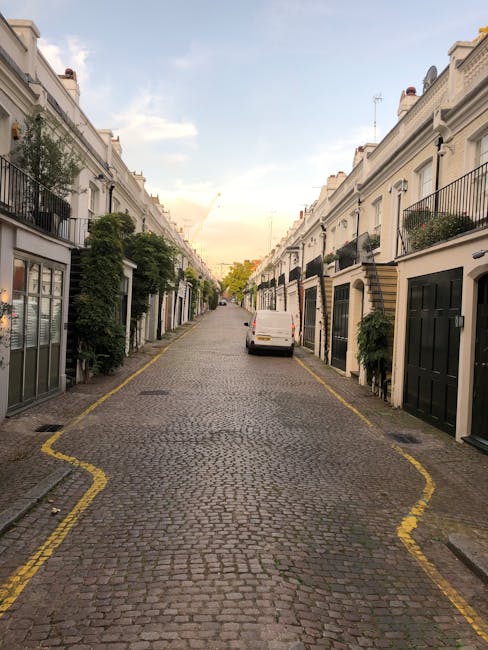
Wilton Crescent townhouse access Belgravia removals guide

Moving a townhouse in Belgravia sounds straightforward until you're standing on Wilton Crescent, looking at the steps, the frontage, the road width, and the practical question that matters most: how is the move actually going to happen without creating chaos? This Wilton Crescent townhouse access Belgravia removals guide is designed to answer exactly that. It brings together the access realities, planning points, packing choices, vehicle considerations, and on-the-day tactics that make a Belgravia move feel controlled instead of frantic.
In homes like these, the details matter more than people expect. A narrow hall, a careful lift through period interiors, a waiting truck that cannot linger forever, even the timing of a neighbour's departure can change the whole day. Let's face it, townhouse removals are less about brute force and more about calm sequencing. If you want a move that protects the property, respects the street, and keeps your own stress level from spiralling, you're in the right place.
Below, you'll find a practical breakdown of how townhouse access in Wilton Crescent affects removals in Belgravia, what to prepare in advance, which service options fit different scenarios, and where the common traps usually appear. There's also a checklist, a comparison table, and a realistic example so you can picture the process clearly.
Why Wilton Crescent townhouse access Belgravia removals guide Matters
Wilton Crescent sits in a part of London where homes are valuable, streets are busy in a quiet sort of way, and access is rarely "simple" in the moving-industry sense. A townhouse may have multiple floors, tighter internal turning points, and limited outside space for loading. That combination makes access planning a core part of the move, not an afterthought.
Why does this matter so much? Because removals in Belgravia are usually won or lost before the first box leaves the house. If the team arrives with the wrong vehicle, if the loading route hasn't been checked, or if fragile furniture hasn't been measured against stair widths, the whole day gets slower and riskier. You can get away with a loose plan in some moves. Here, not really.
There is also the street-level reality. Townhouse access often means carefully timed loading, polite coordination with neighbours, and the ability to work around restricted stopping areas or busy service windows. The best outcomes come from a removal plan that fits the property, not one that assumes the property will adapt to the move.
Practical takeaway: in a townhouse move, access is part of the inventory. Treat it like a sofa, a mirror, or a dining table-something to inspect, measure, and plan around.
How Wilton Crescent townhouse access Belgravia removals guide Works
A good townhouse removal process starts with understanding the route from room to vehicle. That sounds obvious, but in a Belgravia property it means more than just "front door to van". You need to think about internal corners, stair angles, banisters, doorway clearances, floor protection, parking distance, and whether items will be carried by hand, on a trolley, or with a combination of both.
In many townhouse moves, the sequence looks something like this:
- Survey the property access and note any constraints.
- Choose the right removal format for the load size and vehicle access.
- Prepare packing materials and protect furniture surfaces.
- Plan the loading order so heavy and awkward items go first.
- Keep the walk from house to truck as short and clear as possible.
- Move room by room with a clear label system.
- Check the property at the end for overlooked items and damage prevention.
That process sounds neat on paper. In reality, somebody will usually say, "Just one more lamp," and the clock will be ticking. Which is why the method matters. A team that understands townhouse access will protect walls, wrap furniture properly, and adapt quickly when a large item needs a different path than expected.
If you are also moving household contents into storage or shifting part of the load separately, it can help to combine the main move with home moves support or a flexible man and van arrangement, depending on volume and timing. For smaller, more precise jobs, those options can feel refreshingly practical.
Key Benefits and Practical Advantages
Planning for townhouse access does more than reduce stress. It changes the quality of the move itself. You notice it in the small things: fewer stoppages at the stair landing, less hesitation at the doorframe, and fewer items that need to be re-wrapped because they were carried the wrong way first time round.
- Better property protection: Period features, polished floors, and painted walls are less likely to be scuffed.
- Faster loading and unloading: Clear access planning reduces wasted steps and repeated handling.
- Lower risk of damage: Sizing up awkward furniture in advance helps prevent collisions and strains.
- Less disruption to neighbours: A tidy, efficient move is simply kinder in a shared street environment.
- More accurate vehicle choice: The right van or truck can make a major difference in timing and cost control.
There's another benefit people overlook: confidence. When you know the access plan, you're calmer, and everyone else on the move feels it too. The day becomes orderly rather than reactive. That sounds minor, but on moving day minor things are often the big things.
If you need more structured packing support, it can be worth looking at packing and unpacking services so the most fragile or awkward items are handled with proper care. In a townhouse, that can save time and a fair bit of worry.
Who This Is For and When It Makes Sense
This guide is for anyone moving in or out of a Belgravia townhouse where access is constrained, delicate, or simply a bit more involved than a standard suburban house move. That includes homeowners, tenants, landlords preparing a property, and anyone coordinating a move with furniture that is bulky, valuable, or awkwardly shaped.
It is especially useful if you are dealing with one or more of these situations:
- you have multiple floors and narrow staircases;
- the front access is limited for larger vehicles;
- you need careful handling for antiques, art, mirrors, or marble pieces;
- the property is fully furnished and needs a partial or full clearance;
- you are moving on a tight schedule and can't afford delays;
- you want a quieter, cleaner, more discreet move in a premium residential area.
It also makes sense when the job is bigger than a casual van hire but smaller than a full-scale commercial relocation. For example, a family leaving a four-storey townhouse with a lot of delicate furniture may need a more robust setup, perhaps even a moving truck or removal truck hire if the volume is substantial.
And if the move is connected to a workplace base or a mixed-use property, it may be worth reviewing office relocation services or commercial moves for the parts of the project that are not purely domestic. One size rarely fits all, annoyingly enough.
Step-by-Step Guidance
Here's a practical way to approach a townhouse move in Wilton Crescent without missing the key bits. This is the sort of sequence that keeps things realistic.
1. Walk the access route in advance
Start at the pavement and work your way through the property. Measure the doorway widths, check stairs for tight turns, and note any fragile trim, mirrors, radiators, or built-in features. If you can, look at the route carrying the biggest item first. That usually reveals the real problem quickly.
2. Sort items by handling difficulty, not just by room
A lamp may belong in the bedroom, but it is not the same kind of job as a sideboard or grand piano-style piece. Separate fragile, heavy, and awkward items early. It makes loading more logical and reduces last-minute surprises. And yes, there is always one awkward item.
3. Decide on the right moving method
Not every Belgravia townhouse move needs the same setup. A light household clearance can often work well with a man with van style service, while fuller loads may need a larger vehicle and a broader team. The right choice depends on quantity, access, timing, and how much lifting is involved.
4. Protect the property before anything moves
Use floor runners, corner protection, and padded wraps where necessary. In a townhouse, the path from hall to front door can be the area most likely to pick up scuffs. That's the spot to treat with particular care.
5. Pack in a way that supports the route
Label boxes clearly by floor or room, not just by contents. If an item needs to go upstairs at the destination, that should be obvious from the box label alone. It saves pointless back-and-forth later. Truth be told, moving day is not the time for mystery labels.
6. Load in the right order
Heavy and stable items usually go in first. Fragile items should be secured so they do not shift. Anything likely to bend, scratch, or break should be separated, wrapped, and positioned with intent.
7. Finish with a room-by-room sweep
Before leaving, check cupboards, high shelves, under beds, and behind doors. Older townhouses have a way of hiding things in plain sight. One drawer left behind can cause a silly amount of stress, and it's nearly always something small but annoying.
Expert Tips for Better Results
In our experience, the best townhouse removals feel boring in the best possible way. No drama. No scramble. Just steady progress. That usually comes down to the following habits.
- Keep the main walkway clear: even one stray bag near the stairs can slow a whole chain of carrying.
- Use consistent labels: room, floor, and priority are more useful than long descriptions.
- Over-protect the difficult items: mirrors, artwork, and polished furniture often need more wrapping than seems necessary.
- Plan for pauses: a short reset point for tea, water, or a quick check helps the day stay steady.
- Build in extra time for access quirks: small delays are normal in townhouse settings; pretending otherwise is how schedules slip.
One useful tip that many people miss: keep the first-night essentials separate and visible. You do not want to be opening ten boxes to find phone chargers, toiletries, or bedding. Nobody needs that sort of scavenger hunt at 9pm.
If there are items to clear, donate, or remove before the main day, a focused service such as furniture pick up can help reduce clutter and make the move cleaner. It is a simple step, but it can transform how manageable a townhouse feels.
Common Mistakes to Avoid
Most problems in townhouse moves are not dramatic disasters. They are small planning misses that compound. That is the annoying part. The good news? They are avoidable.
- Underestimating access: assuming a sofa will fit because it fits in the room is not enough. The route matters.
- Booking the wrong vehicle size: too small means extra trips; too large can be awkward where street access is limited.
- Poor packing for fragile items: "careful" is not a wrapping method.
- Leaving labels vague: "miscellaneous" is not especially helpful when unpacking in a hurry.
- Forgetting neighbour considerations: a polite, tidy move usually goes much more smoothly.
- Not measuring bulky furniture: if a piece has to be dismantled, it is better to know that early.
Another common issue is trying to do too much in one go. If you are moving large volumes, mixed contents, or especially valuable pieces, a properly sized team and vehicle can be worth far more than the cheapest quote on paper. Price matters, yes. But access mistakes cost money too.
Tools, Resources and Recommendations
You do not need a warehouse of specialist gear to manage a Belgravia townhouse move well, but a few practical tools make the process much easier.
- Measuring tape: useful for doors, stair turns, sofa depth, and headboard height.
- Furniture blankets and wrap: essential for polished or delicate surfaces.
- Labels and marker pens: basic, but incredibly effective.
- Floor protection: especially helpful in entrance halls and on stair runs.
- Box cutters and tape: for final adjustments, not for rushing around at the last second.
- Photo notes on your phone: handy for remembering how cables, fittings, or furniture components were arranged.
For larger or more involved jobs, it can help to talk through the move with a team that offers house removalists rather than assuming a simple van hire will cover everything. The right recommendation depends on the scale of the job, but good advice usually starts with a proper picture of the access.
If you want to understand the company behind the service before you book, you can also review the about us page. And when you are ready to discuss details, the contact us page is the sensible next step. No drama, just a clear conversation.
Law, Compliance, Standards, or Best Practice
Townhouse removals in London can touch on practical compliance points even when the move itself is straightforward. You do not need to become a legal expert, but it helps to respect the normal expectations around parking, loading, safe lifting, and property care.
In practice, the important things are usually:
- following local loading and parking restrictions where applicable;
- avoiding obstruction of pavements, entrances, or neighbours' access;
- using safe lifting and carrying methods for heavy or awkward furniture;
- protecting common areas, staircases, and doorways;
- making sure any dismantling or handling is done carefully and by people who know what they are doing.
Best practice in premium residential streets is as much about etiquette as it is about rules. Keep the route tidy. Keep the noise down where possible. Be ready, be organised, and do not let the operation spill out across the street longer than it has to. That sort of professionalism matters, even if nobody says it out loud.
If your move includes storage, contract terms, access windows, or collection timing, make sure you review the provider's terms and conditions and privacy information carefully. It is dull reading, admittedly, but a five-minute scan can save confusion later.
Options, Methods, or Comparison Table
Choosing the right moving method often comes down to access, volume, and how much hands-on help you want. Here is a simple comparison to make that decision easier.
| Option | Best for | Strengths | Limitations |
|---|---|---|---|
| Man and van | Smaller moves, light loads, quick collections | Flexible, efficient, often good for tight access | May not suit larger households or heavier furniture |
| Man with van | Focused, practical removals with moderate volume | Simple setup, good for short local moves | Less ideal for complex multi-room houses |
| House removalists | Full townhouse moves and fragile property handling | More support, better for structured planning | Usually more involved to arrange |
| Moving truck | Heavier or higher-volume loads | More space, fewer trips | Needs careful access and parking planning |
| Removal truck hire | Moves needing specific vehicle control or larger capacity | Useful when size and timing are critical | Requires clearer loading logistics |
As a rule of thumb, the tighter the access and the more valuable the furniture, the more you should favour structure over improvisation. A small move can be handled simply. A townhouse move often benefits from a more coordinated plan.
Case Study or Real-World Example
Here is a realistic example. A client moves out of a four-storey Wilton Crescent townhouse with a mix of contemporary furniture, a few antiques, and a surprising number of books. The entrance is fine, but the internal stair turns are tight, and one large sideboard cannot safely be carried upright through the first-floor bend.
Instead of forcing the issue, the move is split into stages. Fragile framed pieces are wrapped early. Books are boxed by room and weight. The sideboard is turned and carried using a different route after a quick access check. Meanwhile, the truck is parked as close as practical so the carry distance stays short.
The move is not glamorous. It is just well managed. Fewer pauses, fewer bumps, no emergency re-packing on the pavement, and a cleaner finish overall. The client spends the first evening unpacking essentials instead of wondering where the kettle went. Small win, but a real one.
That is the pattern you want in Wilton Crescent: measured, calm, and a touch over-prepared. It may sound almost too neat, but honestly, the neatness is what saves the day.
Practical Checklist
Use this checklist before moving day so nothing obvious slips through the cracks.
- Measure the largest furniture items and the tightest access points.
- Confirm which staircases, corridors, or landings may need protection.
- Decide whether the move needs a van, truck, or a fuller removal team.
- Sort items into fragile, heavy, and essential categories.
- Label boxes by room and floor.
- Set aside first-night essentials separately.
- Check parking, loading, and timing plans in advance.
- Protect mirrors, artwork, glass, and polished furniture properly.
- Clear walkways and remove tripping hazards before the team arrives.
- Do a final sweep of every room, cupboard, and storage nook.
Expert summary: the best Wilton Crescent townhouse move is rarely the fastest one at the start; it is the one that stays orderly all the way through. Planning for access, protecting the property, and choosing the right moving method will usually save time in the end.
If you need a more tailored plan for a larger or more complex property move, browsing home moves alongside the other service options can help you match the job to the right level of support. That little bit of alignment goes a long way.
Conclusion
Wilton Crescent townhouse access is not something to leave until the lorry arrives outside. The layout, the staircases, the parking realities, and the value of the contents all shape how the move should be handled. Once you treat access as the central planning issue, everything becomes easier to organise: packing, vehicle choice, loading order, and the final handover.
If there is one thing to remember, it is this: a Belgravia townhouse move works best when the property is respected as much as the furniture. That approach keeps the day calm, protects the home, and makes the whole process feel a lot more manageable. And honestly, that is what most people are hoping for anyway.
Get a free quote today and see how much you can save.
When you are ready to take the next step, keep the process simple, stay practical, and choose the level of help that fits the building rather than the other way around. A good move leaves you settled, not frazzled-and that is worth aiming for.
Frequently Asked Questions
What makes Wilton Crescent townhouse removals different from a standard house move?
Townhouse removals often involve tighter staircases, more floors, more delicate interiors, and less forgiving access. The street setting also means loading and parking need to be planned more carefully than in many ordinary residential moves.
Do I need a large truck for a Belgravia townhouse move?
Not always. The right vehicle depends on the volume of items, the furniture sizes, and how much street access you have. Some moves suit a smaller van, while others need a larger truck to reduce trips and handling.
How far in advance should I plan access for a townhouse move?
As early as possible. Even a brief route check can reveal whether a sofa, wardrobe, or table needs dismantling or special handling. The earlier you know, the easier everything becomes.
What items are most likely to cause problems in Wilton Crescent townhouse removals?
Large sofas, wardrobes, mirrors, artwork, marble or glass furniture, and awkward stair-sized pieces are the usual troublemakers. Heavy books and packed storage boxes can also become an issue if they are not split sensibly.
Is a man and van service enough for a townhouse move?
It can be, if the load is small and the access is manageable. For fuller household moves, many people find a more structured service better suited to the amount of work involved.
How do I protect walls and floors during a townhouse removal?
Use floor protection, padded wraps, and corner guards where needed. Clear the route before anything is carried, and make sure fragile areas are identified in advance. A little prevention goes a long way.
Can I move antiques or valuable furniture safely in a townhouse?
Yes, provided they are wrapped properly and carried using the right route and handling method. For valuable pieces, it is usually wise to treat them as special items rather than normal household furniture.
What should I pack separately for the first night?
Keep chargers, toiletries, basic clothes, key documents, medicines, bedding, and a kettle-friendly set of essentials apart from the main load. The first evening is much calmer when those items are easy to find.
Are there any compliance issues to think about on the day?
The main concerns are parking, loading, safe lifting, and avoiding obstruction. You should also respect the property, neighbours, and any applicable local restrictions. It is mostly common-sense best practice, but it matters.
How do I know whether I need packing help as well as removals?
If you have fragile items, a tight timetable, or a lot of rooms to clear, packing support can reduce stress and improve the speed of the move. It is particularly useful when access is tricky and every minute counts.
What is the biggest mistake people make with townhouse access?
Assuming that access will be fine because the house itself looks manageable. The route from room to vehicle is what determines whether the move runs smoothly, not just the size of the property.
Where should I go next if I want help with a Belgravia move?
Start by reviewing the service options that match your load size and moving style, then use the contact page to discuss your access needs. A short conversation up front can save a lot of stress on moving day.